Ancient sites
North Wales is one of the richest prehistoric landscapes in Britain, and most of it is free, open and gloriously uncrowded. Clwydian hillforts, Anglesey's carved passage tombs, Bronze Age circles on lonely moors and Viking-age crosses standing in field corners — these guides tell you what's there, why it matters, and exactly where to park.
21 places covered.
North-East Wales
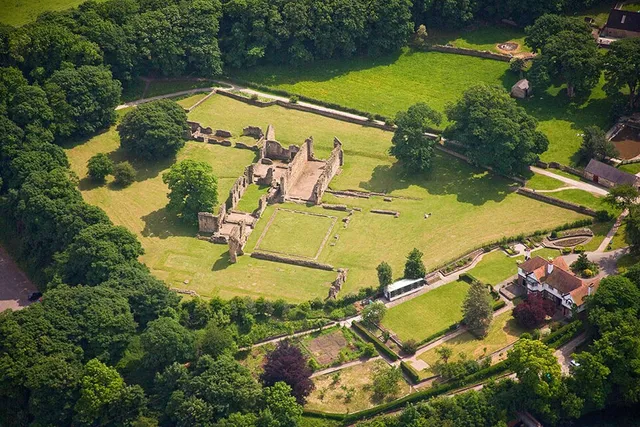 Basingwerk Abbey 12th-century Cistercian ruin ✓ Full guide
 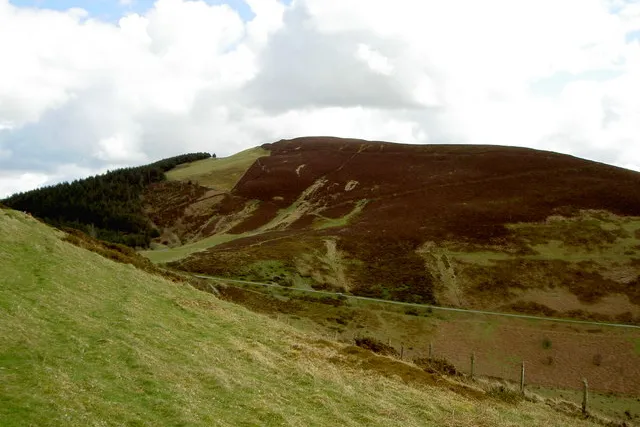 Foel Fenlli Hillfort Iron Age ramparts at 511m ✓ Full guide
 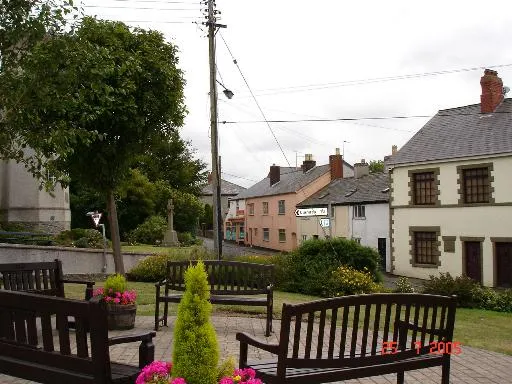 Gop Hill Cairn Britain's second-largest prehistoric mound ✓ Full guide
 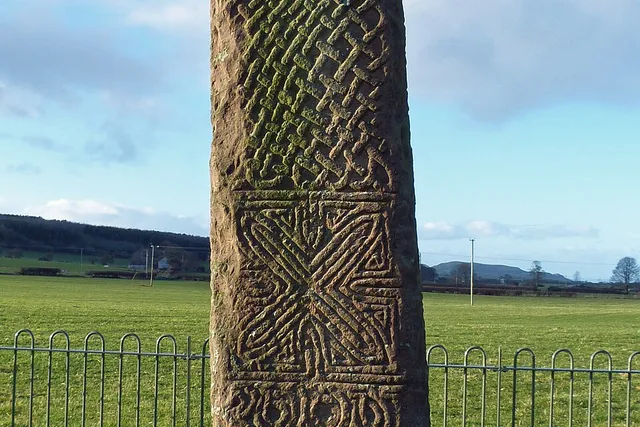 Maen Achwyfan Cross Tallest wheel-cross in Britain (c. 1000 AD) Quick ref
 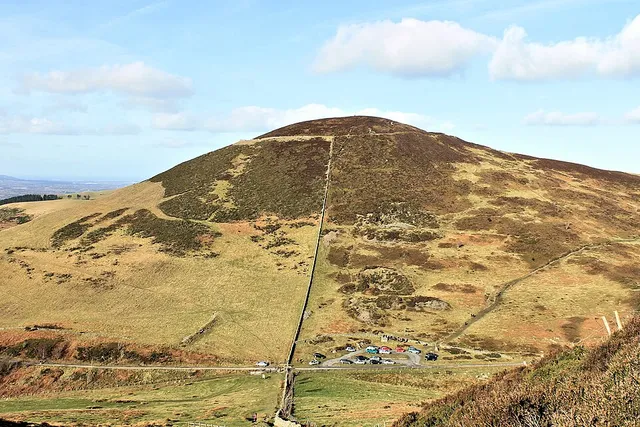 Moel Arthur Hillfort Compact conical hillfort Quick ref
 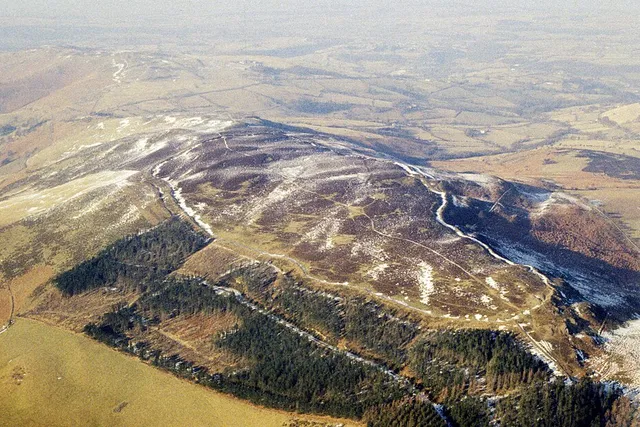 Penycloddiau Hillfort One of Wales' largest hillforts ✓ Full guide
 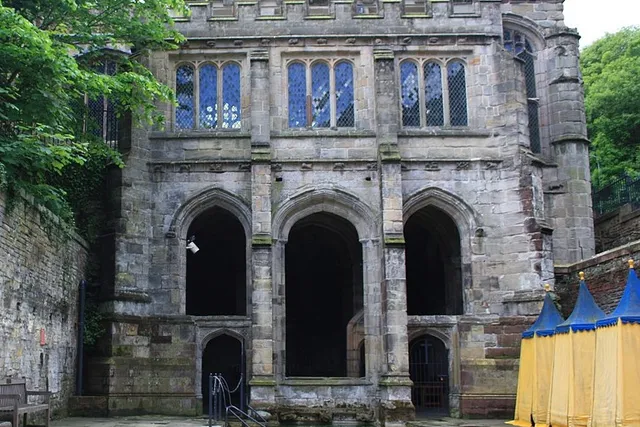 St Winefride's Well 'The Lourdes of Wales' — 1,300 years of pilgrimage
 Conwy & the Coast
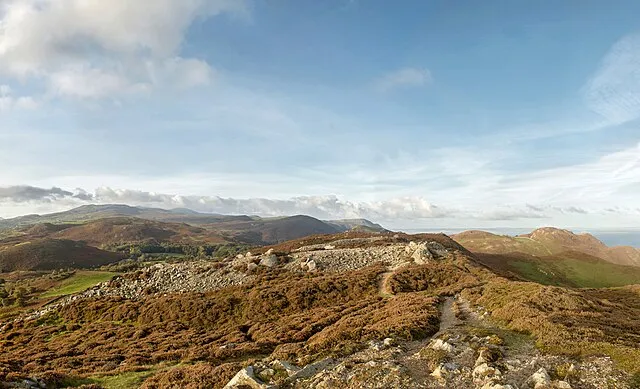
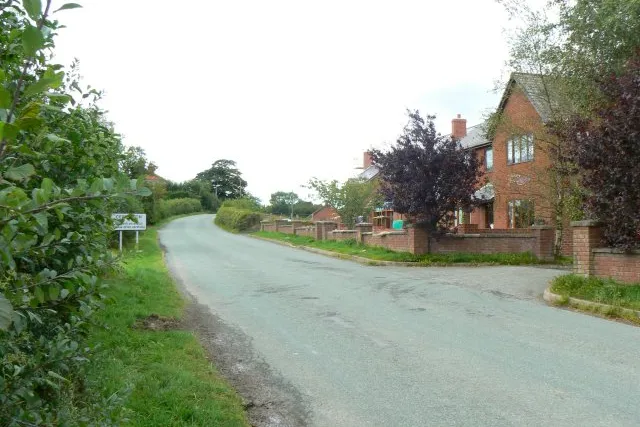
Eryri (Snowdonia)
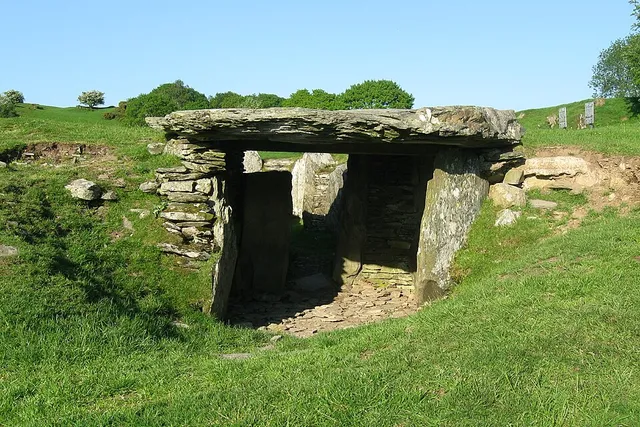
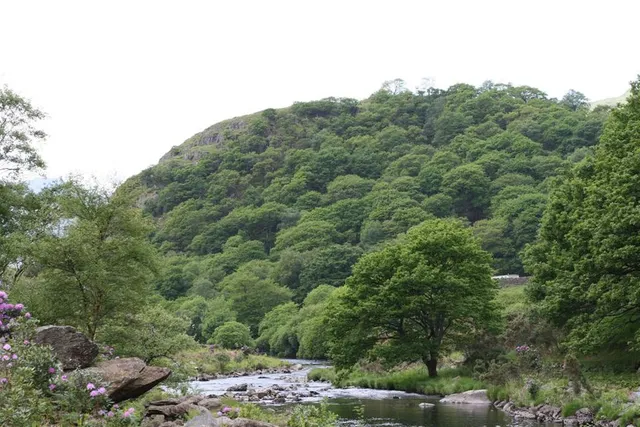
Anglesey (Ynys Môn)
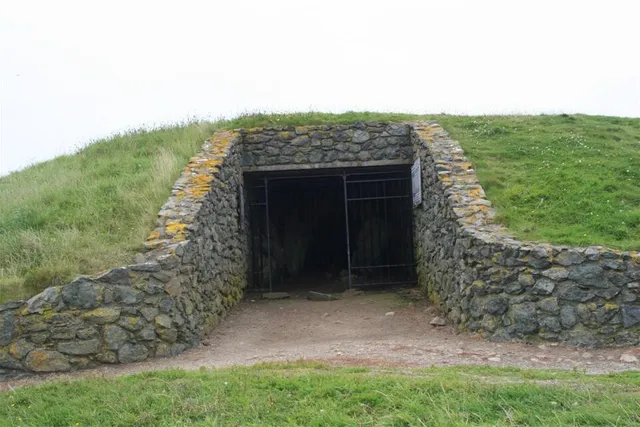
Llŷn Peninsula
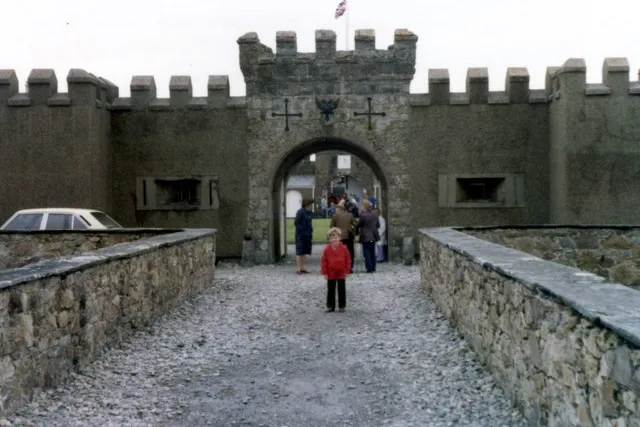
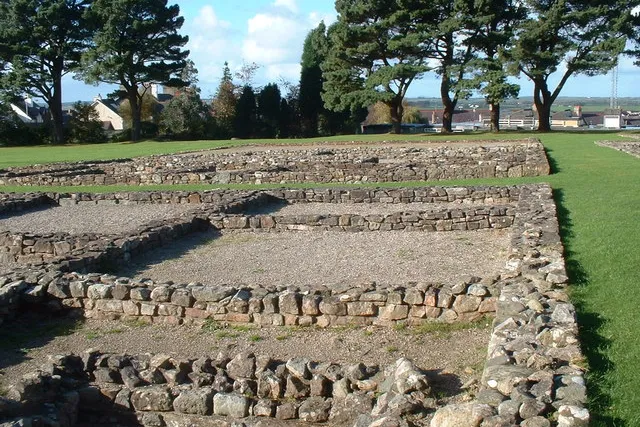
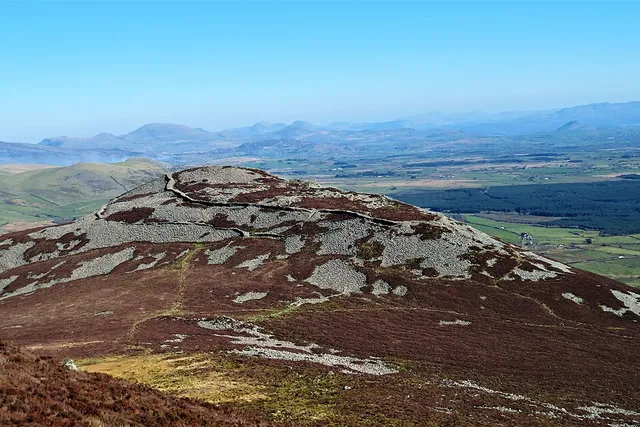
Dee Valley & the Berwyn
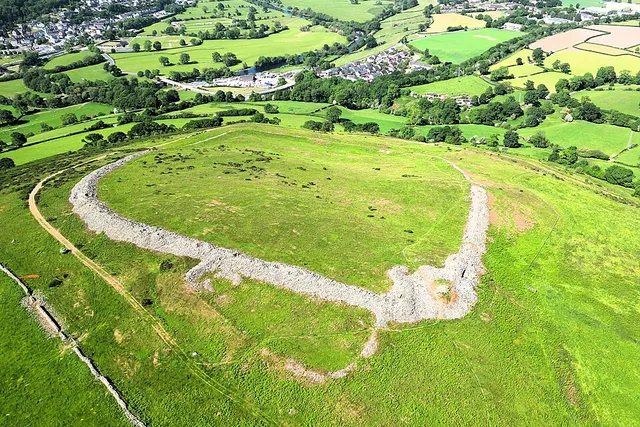
Reading the deep past
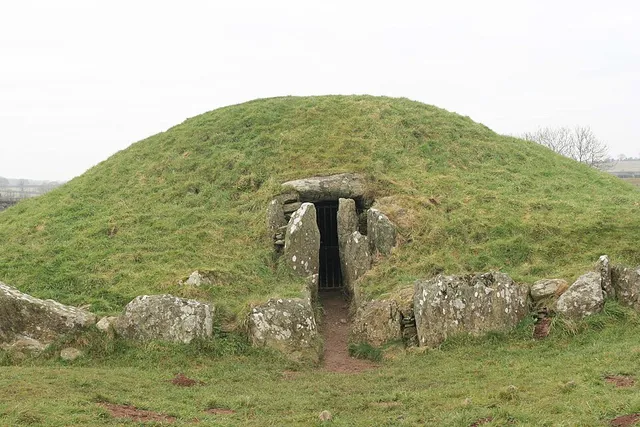
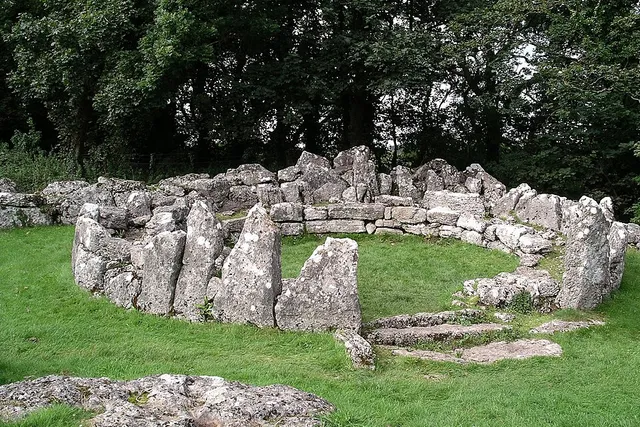
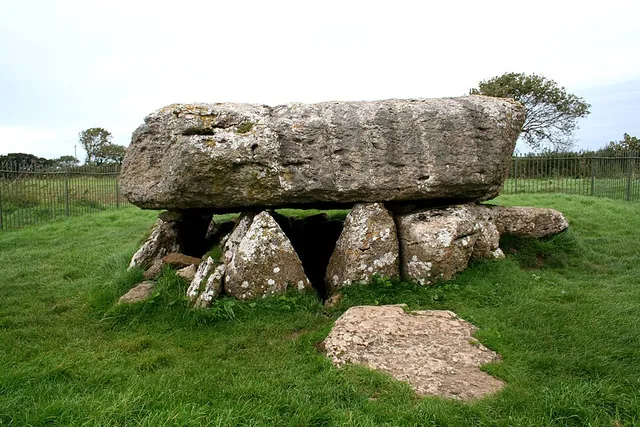
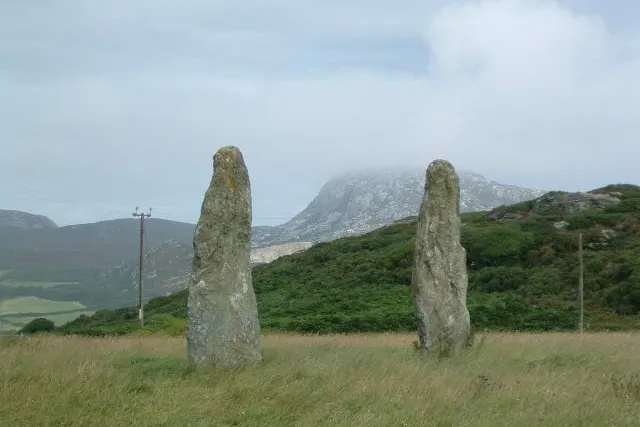
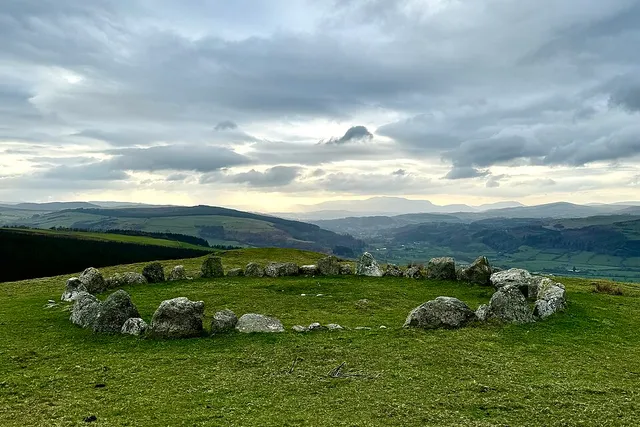
The sites here span five thousand years. The first farmers built Neolithic passage tombs like Anglesey's Bryn Celli Ddu and Barclodiad y Gawres; the Bronze Age left stone circles and standing stones on the open moors; the Iron Age crowned the hills with forts such as Tre'r Ceiri and Foel Fenlli; and the early medieval centuries added carved Celtic crosses like Maen Achwyfan. Telling one age from the next is half the pleasure.
Nearly all of them are free, open and unstaffed — and often unsigned. That's the appeal, but it means a grid reference beats a postcode, stout footwear beats trainers, and you should leave every gate as you found it: most of these monuments sit on working farmland.
Build a day out here
The free Explore Wales planner chains any of these into an itinerary with drive times, weather and campsite suggestions — and works offline once installed.