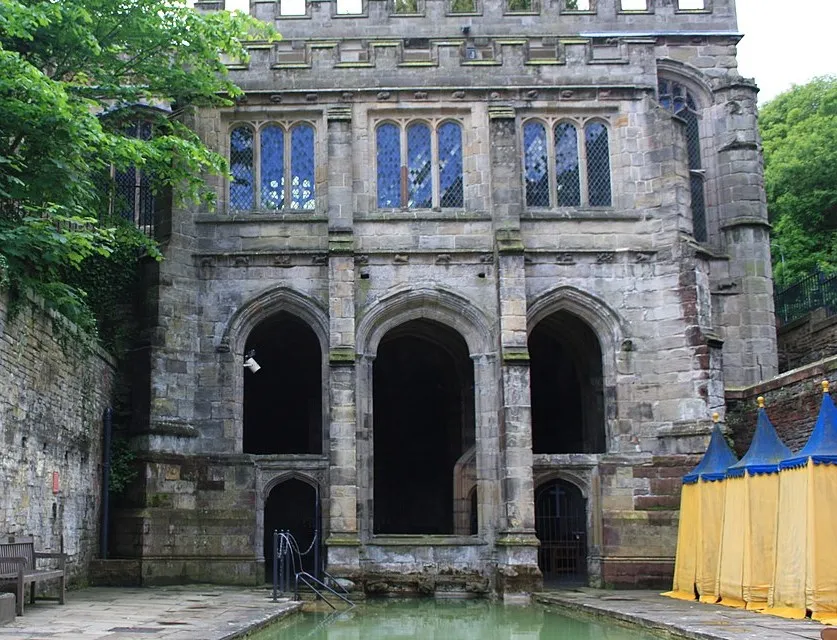
Photo via Wikimedia Commons — licence & author.
St Winefride's Well, Holywell
Pilgrims have come to this spring for thirteen centuries without a break — through Reformation, plague and war. The 'Lourdes of Wales' is one of Britain's most remarkable survivals.
- Living history
- Rainy days
- Quiet reflection
- Pairing with Greenfield Valley
✅ Walked & checked: July 2026 · themes: Ancient sites·Castles & history
Places of worship come and go; springs are forever. People have prayed at this one since roughly the year 660, and never once stopped — not for Reformation, not for Cromwell, not for anything. Standing in the star-vaulted crypt watching the water rise, you’re doing something humans on this exact spot have done for thirteen unbroken centuries.
What it’s actually like
The shrine hides in the steep little valley below Holywell town: a two-storey Tudor gem, chapel above, open vaulted well-chamber below, built around 1500 with money from Henry VII’s formidable mother. The spring wells up into a stone basin and flows out through a long outdoor bathing pool where pilgrims still immerse themselves — the racks of abandoned crutches by the shrine are not props. A small museum tells the story straight, miracle claims and all, and the custodians are generous with time and tales.
It’s an atmospheric visit whatever you bring to it: for the faithful, one of Catholic Britain’s holiest places; for the historically-minded, a nearly unique thread of continuity through every rupture in British history; for everyone, simply a beautiful building over dark, cold, endlessly-moving water.
Getting there and parking
Use the Greenfield Valley Heritage Park car park just below the shrine off the B5121 (grid reference in the facts panel). There’s a modest entry fee that maintains the site. Holywell town, a five-minute uphill walk, has cafés and shops; check the well’s seasonal hours before travelling, especially in winter.
Make a day of it
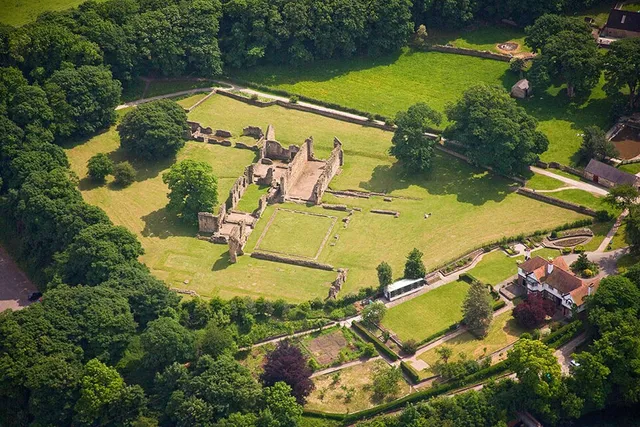
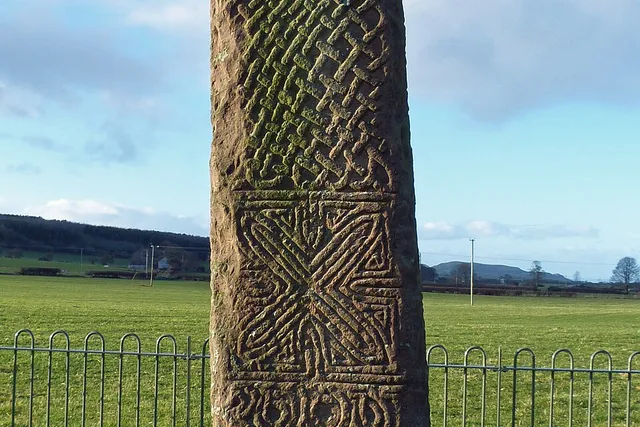
The well is the crown of the Greenfield Valley — a mile of wooded heritage park running down to the Dee, threading five reservoirs, the ruins of cotton and copper works, and at the bottom, the bare Cistercian bones of Basingwerk Abbey (free, atmospheric, underrated). Walking the valley top-to-bottom and back is an easy hour that spans monks to mills. For the longer view of local faith and stone, Maen Achwyfan — carved five centuries before the chapel was built — stands in its field ten minutes’ drive west.
Common questions
What's the legend of St Winefride?
Around 660, the story goes, the nobleman Caradog beheaded the young Winefride for refusing him; where her head fell, the spring burst from the ground. Her uncle St Beuno restored her to life, and she lived out her days as an abbess. The white-scarred stone in the pool is still shown as the mark of the miracle.
Is it true pilgrims still bathe in the well?
Yes — the outdoor bathing pool is used to this day, with set times for those who wish to take the waters (details from the custodians). Crutches left by healed pilgrims hang by the shrine. Whatever your beliefs, the continuity is astonishing to witness.
How old are the buildings?
The well-chapel over the spring was raised around 1500 under the patronage of Margaret Beaufort, Henry VII's mother, and it's among the finest late-Perpendicular work in Wales — a star-vaulted crypt where the spring boils up into a stone basin shaped like a Tudor rose.
How did it survive the Reformation?
Stubbornly. When shrines across Britain were being demolished, pilgrims kept coming here in secret — recusant Catholics maintained the pilgrimage through centuries of penal law, which is why this claims the title of Britain's oldest continuous pilgrimage. James II visited in 1686 to pray for a son.
Staying over?
Holywell makes a relaxed base for exploring the area — worth staying over to catch an early start or a golden-hour finish.
Browse places to stay near Holywell ↗ opens Booking.com — needs signalNearby, also worth your time
Planning a proper day of it?
The free Explore Wales trip planner chains stops with drive times, checks the weather, suggests campsites, and syncs the plan with your friends — and it all works offline once installed.